It is the only neoplasm that in forty years has not shown improvements in terms of survival.
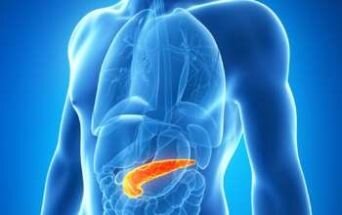
The experience of people affected by pancreatic cancer is a heavy one. A narrative that brings to light emotions and unmet needs of unspeakable impact, due to the complex management of the disease, the vague and nonspecific symptoms, which do not allow for early diagnosis, leading to a low survival rate. The study “Unmet needs in pancreatic adenocarcinoma: a 360° analysis with the patient at the center” unfolds within the context of multiple issues. This survey, conducted by ISHEO, a research and health economics evaluation company, was carried out with the patronage of FAVO (Italian Federation of Volunteer Oncology Associations) and the Codice Viola Patient Associations and Nastro Viola, which have always been committed to this disease, with the unconditional contribution of Servier.The analysis opens a review of the state of the art regarding diagnosis, the patient’s management by the National Health Service, and the quality of life of people affected by pancreatic cancer, highlighting possible organizational and policy interventions. What emerges is that pancreatic cancer is one of the most aggressive: the disease remains asymptomatic for a long time, so much so that only 7% of cases are diagnosed at an early stage and about 80%-85% of tumors are unresectable at the time of diagnosis. The 5-year survival rate is only 8% in Italy and about 6% worldwide. Among all tumors affecting the pancreas, adenocarcinoma is the most common type. Data from AIOM (Italian Association of Medical Oncology) from 2018 report an annual prevalence of 22,000 cases (1% of all cancer patients) and an incidence of 13,300 cases, equal to 3% of the incidence of all cancers. This latter parameter appears to be increasing in 2019 (13,500 cases), a trend that, if confirmed, would make pancreatic adenocarcinoma the second leading cause of cancer death by 2030.
The biggest challenges emerging from the report are the risk factors and the nonspecificity of symptoms, which do not allow for early diagnosis; most cases of adenocarcinoma are in fact diagnosed when the tumor is at an advanced stage. It is a race against time that forces patients, caregivers, and doctors to face extremely complicated management. Surgical resection is the only potentially curative treatment, although less than 20% of patients are eligible for surgery with curative intent, with an overall 5-year survival rate after surgery that does not exceed 20%. Resective surgery is the most complicated of all, burdened by the highest rate of postoperative complications, requiring highly specialized and high-turnover centers with a highly trained and multidisciplinary team, which, in addition to surgeons, includes the interventional radiologist, endoscopist, and intensive care team to manage intra- and postoperative phases.
How does one live with a diagnosis of pancreatic cancer? And furthermore, what kind of support should be provided for those diagnosed with this cancer and who successfully undergo treatment? These are fundamental aspects, according to the research conducted by ISHEO, which highlights the need to take into account the psychological conditions and daily life of people who manage to defeat the cancer. Patients, in addition to undergoing periodic check-ups after the required surgical and pharmacological treatments, must be supported in managing fears and social and relational problems induced by the disease and, at the same time, must be encouraged to consider the need for palliative and end-of-life care.
The analysis of the costs associated with this disease was also the subject of the study conducted by ISHEO, even though there is little literature available on pancreatic cancer. What emerges, however, is that the disease has a significant impact in terms of direct, indirect, and social costs: patients affected by this cancer and their caregivers face numerous difficulties, ranging from managing a disease often discovered at an advanced stage, to managing the related surgical and pharmacological treatments, as well as significant symptoms, which can greatly and negatively affect the physical and mental state of the patient and those who care for them. In particular, the costs due to hospitalizations, loss of productivity after diagnosis, and premature death are highlighted. Even though references relating to pancreatic cancer are few, what emerges is that in Europe, hospitalization represents the main component of direct costs in relation to remaining life, ranging from 7,981 to 16,264 euros, followed by radiotherapy treatments, surgery, and chemotherapy, with costs ranging from 1,575 to 9,761 euros. The total cost of lost productivity due to cancer-related premature mortality was estimated in 2008 at 75 billion euros, with social costs in Southern Europe, including Italy, amounting to around 100 million for the female population and 500 for the male population. These costs are due to five types of cancer, where pancreatic adenocarcinoma ranks fifth, with 4 billion euros, preceded by brain and central nervous system cancer, colorectal, breast, and lung cancer, the latter being the most expensive to date (17 billion euros).
There are therefore three action proposals that can no longer be postponed:
- the approach to disease management must take place through a multidisciplinary care team with the definition of Diagnostic Therapeutic Care Pathways (PDTA), given the peculiar complexity of diagnosis, the speed of disease progression, and the necessary involvement of multiple specialists in patient care;
- guarantee therapeutic appropriateness and continuity of care, through access to all available therapies that have provided clinical evidence capable of improving the lives of these patients;
- last but not least, guarantee specific training and support pathways for caregivers, a crucial link in responding to the real unmet needs of patients with metastatic pancreatic adenocarcinoma.
ORIGINAL ARTICLE LINK: https://www.osservatoriomalattierare.it/i-tumori-rari/tumore-al-pancreas/15389-adenocarcinoma-al-pan...

REGISTERED OFFICE AND PHONE
E-MAIL AND PEC
SOCIAL







Via Maestri del Lavoro 5
Pescara
65125
2018-2023 © All rights reserved
C.F. 91145270681
Pancreatic adenocarcinoma, by 2030 it will be the second leading cause of death among cancers
Pancreatic adenocarcinoma, by 2030 it will be the second leading cause of death among cancers
2024-05-02 11:56
2024-05-02 11:56
Array() no author 88942
REGISTERED OFFICE AND PHONE
E-MAIL AND PEC
SOCIAL
Via Maestri del Lavoro 5
Pescara
65125
2018-2023 © All rights reserved
C.F. 91145270681